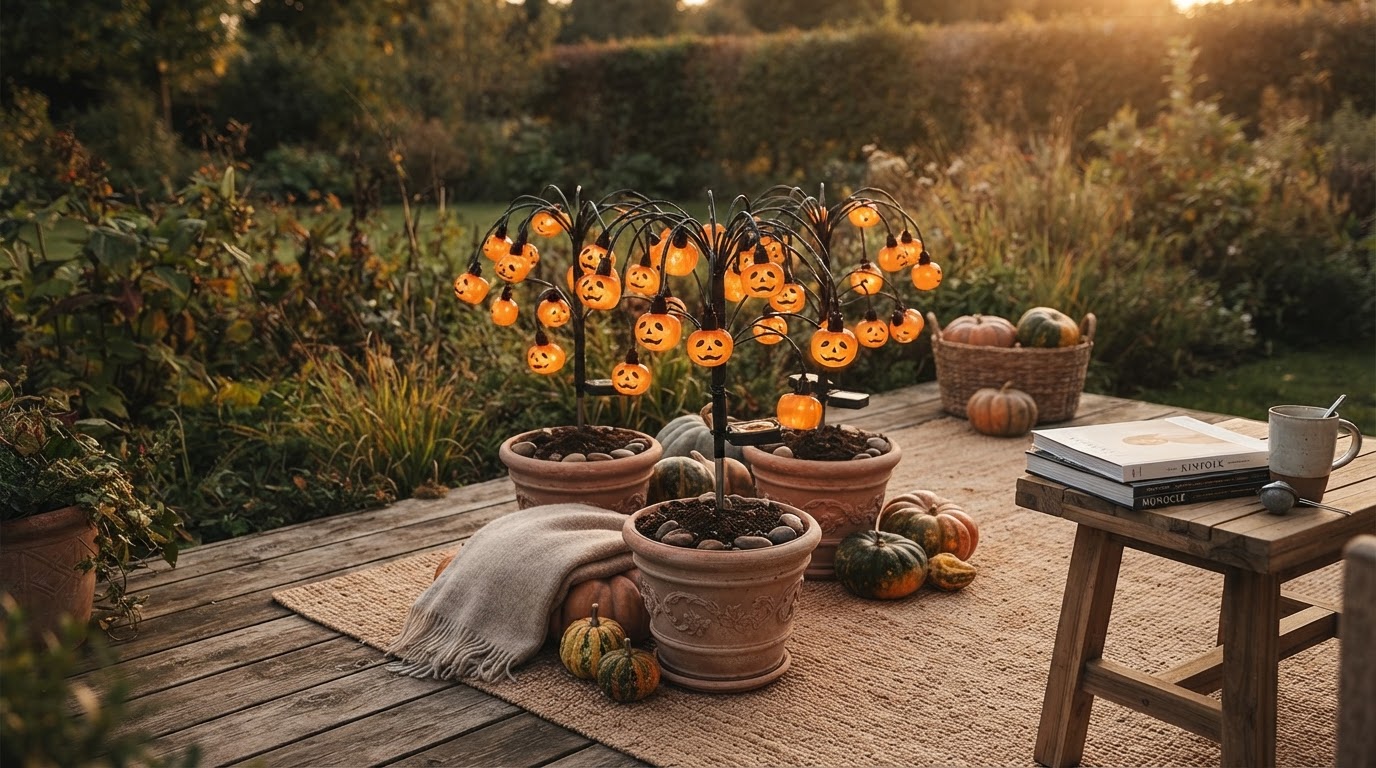
Integrating Solar Pumpkin Lume Light into Sustainable Decor
 Priya RamanSenior Analyst
October 13, 2026. This analysis evaluates the role of renewable lighting solutions in modern seasonal decorating. It is intended for consumers seeking to reduce the environmental footprint of their holiday displays without sacrificing aesthetic impact.
Two axes matter here: the longevity of the material and the carbon footprint of the energy source. Most traditional holiday displays rely on single-use plastics and grid-based electricity, which often results in significant post-holiday waste. According to Treehugger, pumpkins and gourds are the ultimate in zero-waste Halloween decorations because they are fully biodegradable and can be composted or buried after use. However, the environmental benefit of using natural materials is often negated when they are illuminated by disposable, battery-operated lights or high-wattage plug-in strands. This creates a conflict for the eco-conscious decorator: how to light a biodegradable pumpkin without introducing electronic waste or excessive energy consumption. Think of it as a matrix of sustainability where one must balance the source of the decoration with the source of the light.
When we look at the broader landscape of seasonal waste, the shift toward upcycling is gaining momentum. Sources like Paguro Upcycle highlight that DIY decorations from tins, jars, and cardboard provide a secondary life for household waste. Yet, the challenge of lighting these items remains. Many consumers search for amazon halloween solar lights to find alternatives, but the market is saturated with low-quality options that fail after a single season. The goal for a sustainable household should be to find a lighting solution that persists across multiple years, reducing the cycle of consumption and disposal that characterizes modern retail holidays.
Once you see it this way, the Solar Pumpkin Lume Light emerges as a pivot point for sustainable design. It addresses the energy axis by utilizing a high-efficiency solar panel to capture energy during daylight hours, storing it in an internal battery for nighttime illumination. This removes the need for alkaline batteries, which are a primary source of heavy metal contamination in landfills. Because the unit is specifically engineered to be waterproof solar pumpkin decor, it withstands the variable weather of October, ensuring that the technology does not become waste due to rain or frost. This durability is a critical component of sustainability; a product that lasts five years is inherently more eco-friendly than five products that last one year each.
Furthermore, the form factor of the Solar Pumpkin Lume Light is designed to complement natural, grown materials. Unlike plastic pumpkins that end up in a landfill, this lighting unit can be placed inside real, organic gourds or alongside hay bales and plants—items that Style by Emily Henderson identifies as superior alternatives to cheaply made plastic manufactured goods. By focusing on solar pumpkin lights, decorators can achieve a high-end visual effect while maintaining a zero-waste baseline. The light provides the necessary flicker and warmth to bring a porch to life, serving as a functional tool rather than a disposable novelty. This allows for a modular approach to decorating: the organic elements are composted, while the solar technology is stored and reused, effectively closing the loop on seasonal waste.
Choosing the right components for an eco-friendly display requires a structured evaluation. The decision rule: prioritize items that either return to the earth or remain in the tool shed for a decade. When selecting your lighting and accents, consider the following framework:
- Energy Autonomy: Does the light source require external power or disposable batteries, or is it self-sustaining via solar collection?
- Material Lifecycle: Can the primary decorative body be composted (like real pumpkins) or recycled (like cardboard and tin)?
- Weather Resilience: Is the hardware rated as waterproof solar pumpkin decor to prevent premature electronic failure?
- Longevity: Is the build quality sufficient to rank among the best solar halloween lights 2024 and beyond, or is it a single-season product?
- Versatility: Can the light be repurposed for other seasonal displays to maximize its utility value?
Transform your holiday display with sustainable technology that lasts. Shop Solar Pumpkin Lume Light here.
Sources
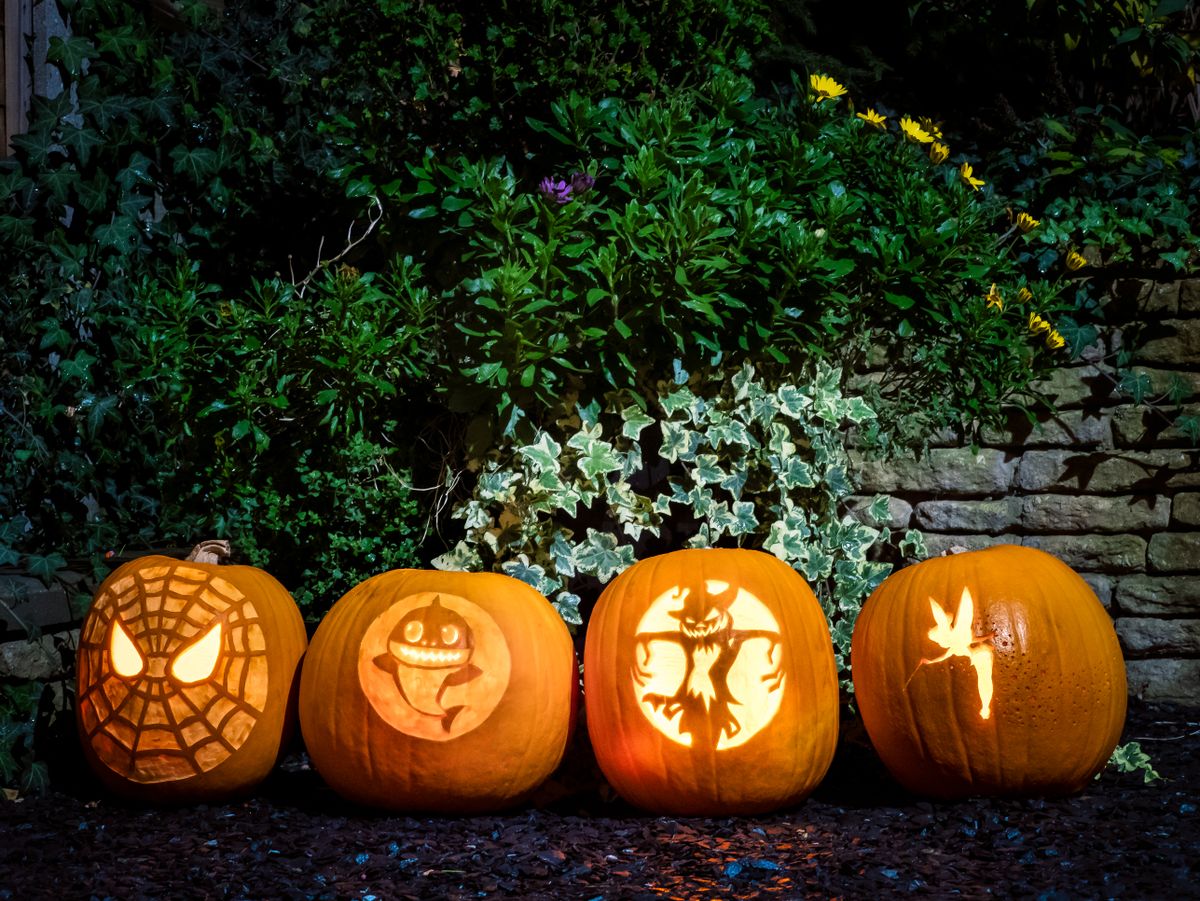
Photo by William Warby on Pexels
- A Quick Guide to Plastic-Free Halloween Decorations - Treehugger
- 10 Eco-Friendly DIY Halloween Decorations (2026) - Paguro Upcycle
- Our Favorite Sustainable Halloween Decor That WON'T End Up In A ...