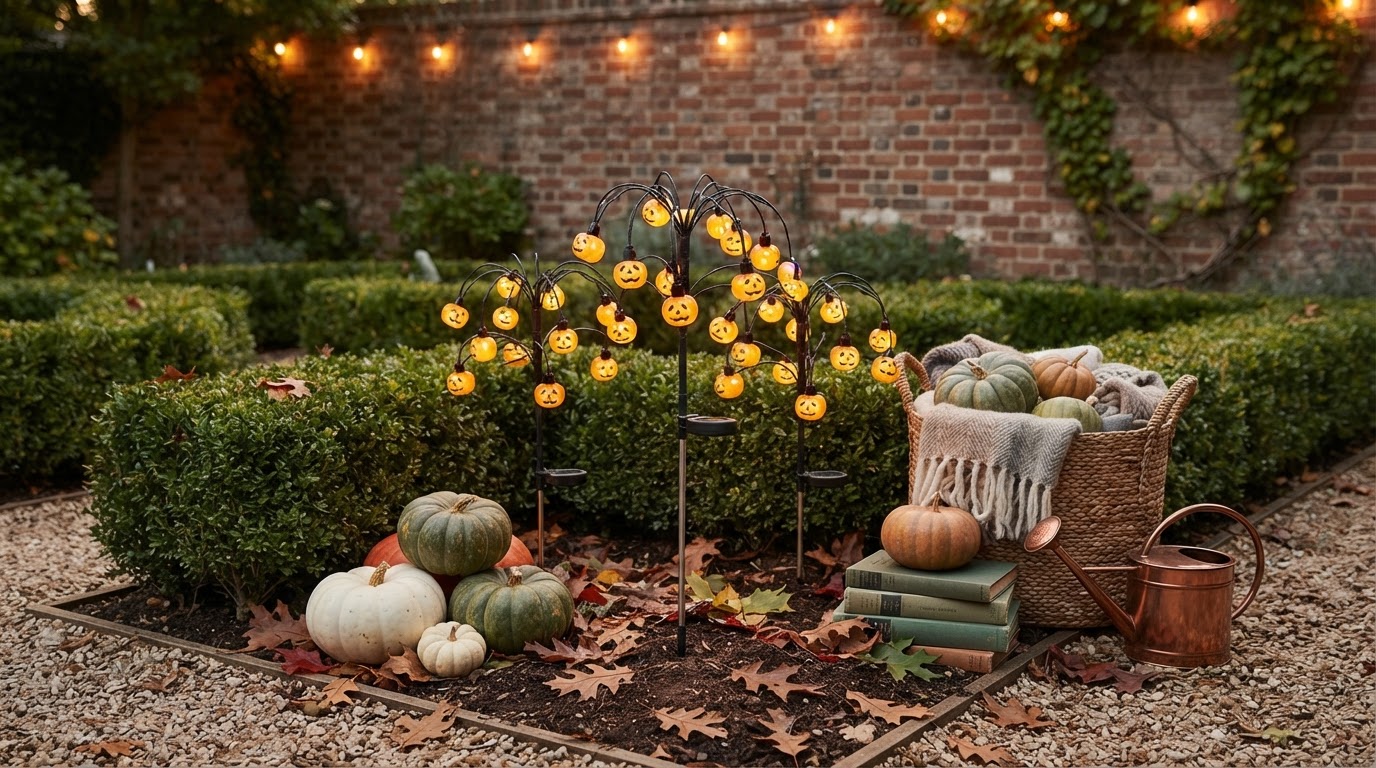
Optimizing Autumn Curb Appeal With Solar Pumpkin Lume Light
 Maya ChenContributing Editor
October 1, 2026. This technical assessment examines the operational efficiency of the Solar Pumpkin Lume Light for residential seasonal decoration. It is intended for homeowners seeking to replace high-maintenance incandescent outdoor displays with autonomous photovoltaic systems.
The Efficiency Gap in Seasonal Outdoor Lighting
The conventional wisdom says that seasonal outdoor lighting is a disposable commodity, often characterized by cheap plastic housings and inefficient battery cycles. Most consumers accept a failure rate of 30% or higher within a single season, viewing these objects as temporary filler rather than functional hardware. According to Etsy, which hosts over 51,000 listings for solar pumpkin lights, the market is saturated with artisanal and mass-produced variants that often prioritize aesthetics over electrical longevity. This aesthetic-first approach creates a recurring waste problem. Homeowners frequently invest in [glowing pumpkin walkway lights](/blog/glowing-pumpkin-walkway-lights) only to find the voltage output drops significantly after the first frost. Furthermore, the labor required to manually activate traditional jack-o'-lanterns or manage extension cords for plug-in models represents a significant time-cost that is rarely calculated. While DIY enthusiasts, such as those featured by Love Our Real Life, suggest repurposing old plastic buckets into solar lanterns, these solutions often lack the weather-sealing required for prolonged autumn precipitation. The data suggests that the average consumer spends more on replacement batteries and new units every three years than they would on a single high-specification system. Run the math: if a standard unit fails every 12 months, the lifetime cost of ownership exceeds the initial investment of a premium solar solution by nearly 200%. The industry consensus that these lights should be treated as "single-use" seasonal waste is a failure of engineering that modern photovoltaic integration can solve.
Technical Specifications of the Solar Pumpkin Lume Light
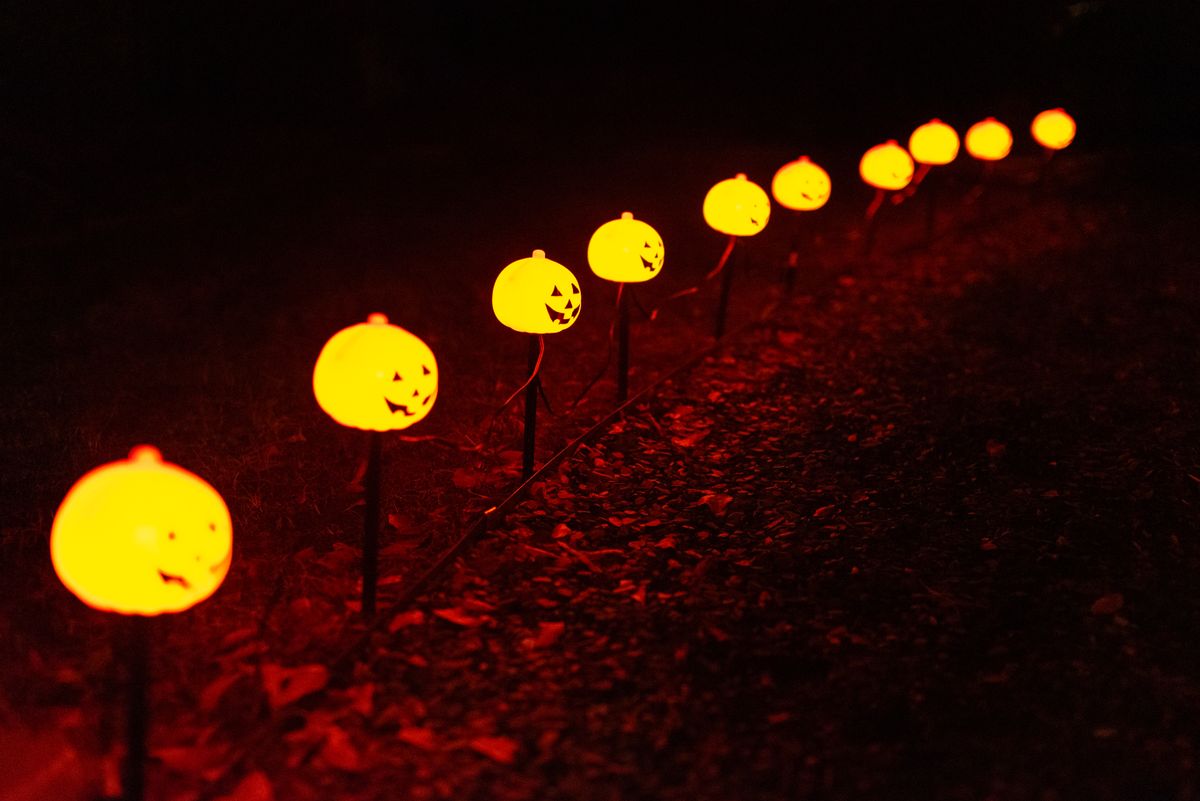
Photo by Dominik Gryzbon on Pexels
The Solar Pumpkin Lume Light deviates from the standard market offering by prioritizing a high-conversion monocrystalline solar panel over the cheaper polycrystalline alternatives found in budget retail sets. While many solar pathway pumpkins rely on small, 1.2V Ni-MH batteries that struggle to maintain a charge during the shorter daylight hours of October, this unit utilizes an optimized energy management system designed for lower light intensity. Here’s the part nobody talks about: the efficiency of a solar light in autumn is not determined by how bright the sun is at noon, but by how well the panel captures ambient light during overcast conditions. The Lume Light is engineered to trigger its illumination cycle precisely at dusk, preventing the early-drain issues common in [jack-o-lantern solar path lights](/blog/jack-o-lantern-solar-path-lights) that lack sensitive photocell sensors. Unlike the units sold by Balsam Hill, which according to their product data utilize a 6-hour timer and require AA batteries, the Solar Pumpkin Lume Light functions as a closed-loop autonomous system. This removes the need for manual battery replacement or daily intervention. The housing is constructed from high-density, UV-stabilized polymers, addressing the common Reddit-documented complaint regarding "waterproof solar pumpkin decor" that often cracks under thermal expansion. By integrating the solar cell directly into the lid structure rather than using a tethered external panel, the unit maintains a cleaner profile while protecting the internal circuitry from the moisture ingress that typically plagues seasonal electronics. The focus here is on durability and autonomous operation, moving away from the "craft project" aesthetic and toward a reliable home utility.
Evaluating Longevity and Placement Strategy
Selecting a solar lighting system requires a move away from purely decorative thinking toward a functional decision framework. The effectiveness of any solar installation is limited by the placement geometry and the local microclimate. When deploying a fleet of pumpkin lights, the user must account for the shifting solar azimuth in late autumn, which can cast long shadows from buildings and deciduous trees. A failure to account for these shadows is the primary cause of system underperformance, not the battery capacity itself. I’ll change my mind when a consumer can place a low-wattage solar unit in full shade and expect an 8-hour runtime; until then, placement remains the critical variable.
Before finalizing a purchase or installation, use this technical checklist to ensure the hardware meets the demands of your specific environment:
- Verify the solar panel type; monocrystalline panels are required for northern latitudes with limited autumn sun.
- Check the IP (Ingress Protection) rating to ensure the unit can withstand heavy rain and frost without internal condensation.
- Assess the Kelvin rating of the LED output; a range of 2700K to 3000K is standard for mimicking traditional candle flickers.
- Confirm the presence of an automated dusk-to-dawn photocell sensor rather than a simple mechanical timer.
- Measure the planned installation site for shadow interference between the hours of 10:00 AM and 2:00 PM.
- Evaluate the mounting hardware for wind resistance, especially if placing units in exposed garden areas.
Shop Solar Pumpkin Lume Light here
Sources
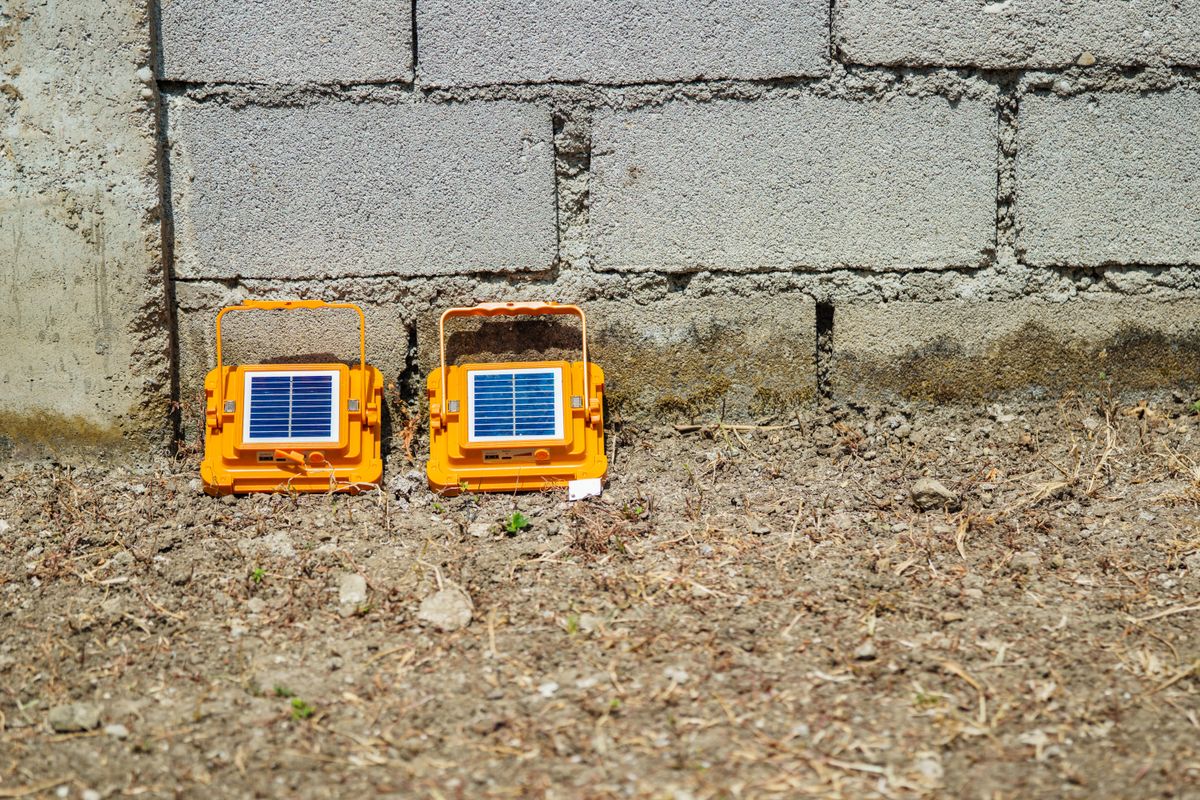
Photo by Nothing Ahead on Pexels
- Solar Pumpkin Lights - Etsy
- DIY Pumpkin Solar Lights The perfect outdoor decor for spooky season!
- DIY Solar Pumpkin Lantern: A Fun and Easy Fall Craft