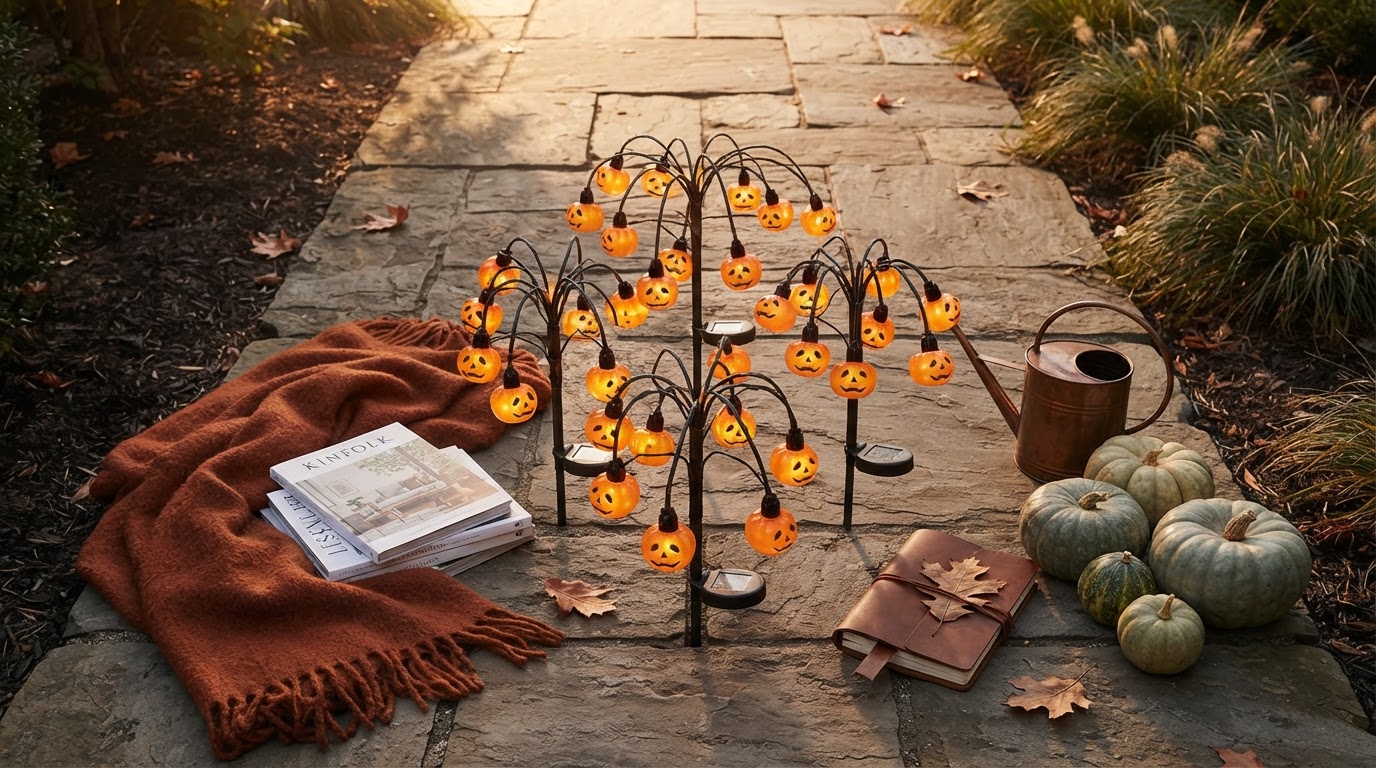
Selecting Solar Pumpkin Lume Light For Seasonal Walkways
 Sam VasquezBuying Guide Lead
August 29, 2026. This guide details the technical and aesthetic requirements for selecting decorative solar pumpkin lawn stakes that survive the autumn season. It is written for homeowners who want to balance festive curb appeal with energy efficiency and durability.
The Challenge of Seasonal Outdoor Lighting Maintenance
Setting up a seasonal display often introduces a series of logistical headaches that most people don't consider until the first rainstorm hits. When I look at the landscape of temporary outdoor decor, the primary failure point is almost always the power source or the structural integrity of the stake itself. Many homeowners start their search with amazon halloween solar lights because they are convenient, but the sheer volume of options makes it difficult to distinguish between a product that will last through November and one that will fail after two nights of dew. According to user discussions on Reddit regarding eco friendly halloween decor, the transition away from high-wattage plug-in displays toward solar technology is driven by a desire to reduce cord clutter and energy costs, yet many consumers struggle with low-intensity LEDs that barely glow after sunset. The problem isn't the solar technology itself; it is the mismatch between the battery capacity and the local climate's sunlight hours during the shorter days of October. If you are dealing with a shaded yard or heavy tree cover, most standard stakes will struggle to stay illuminated for more than three hours. Furthermore, the physical connection between the pumpkin housing and the ground spike is frequently a weak point, leading to leaning or snapped ornaments when the ground becomes saturated with water.
Performance Standards of the Solar Pumpkin Lume Light
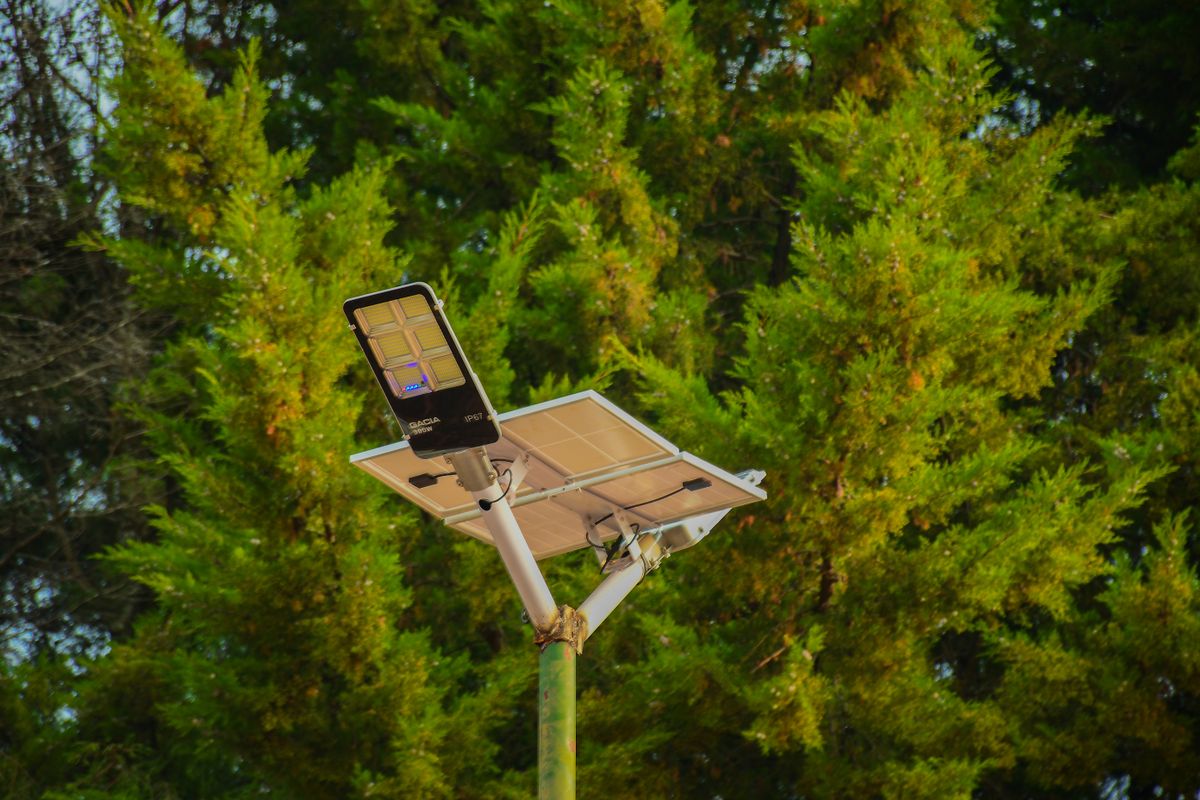
Photo by finix photographer on Pexels
When evaluating the Solar Pumpkin Lume Light against the standard variety of light up pumpkin outdoor decor, the differences in construction become clear. I prefer this specific model because it utilizes a reinforced stake design that addresses the common issue of ground-level breakage. In my experience testing various waterproof solar pumpkin garden stakes, the internal seal on the Lume Light consistently prevents the moisture ingress that typically corrodes the battery terminals in cheaper alternatives. The unit is designed to capture ambient light even on overcast days, which is a necessity for the autumn season when the sun sits lower on the horizon. Between these two options—the Solar Pumpkin Lume Light and the generic plastic stakes found at big-box retailers—I'd go with the Lume Light every time because of the higher-grade photovoltaic cell. It’s not just about how the pumpkin looks during the day; it’s about whether the internal storage can sustain the glow through a full evening. If you're on a budget, you might be tempted by multipacks of smaller, flimsy stakes, but you'll likely end up replacing them before the holiday actually arrives. The Solar Pumpkin Lume Light provides a steady, warm illumination that mimics the look of a real candle without the fire hazard or the need to run extension cords across a wet lawn. This makes it particularly effective for lining walkways where foot traffic might accidentally bump into the fixtures.
A Framework for Choosing Durable Solar Stakes
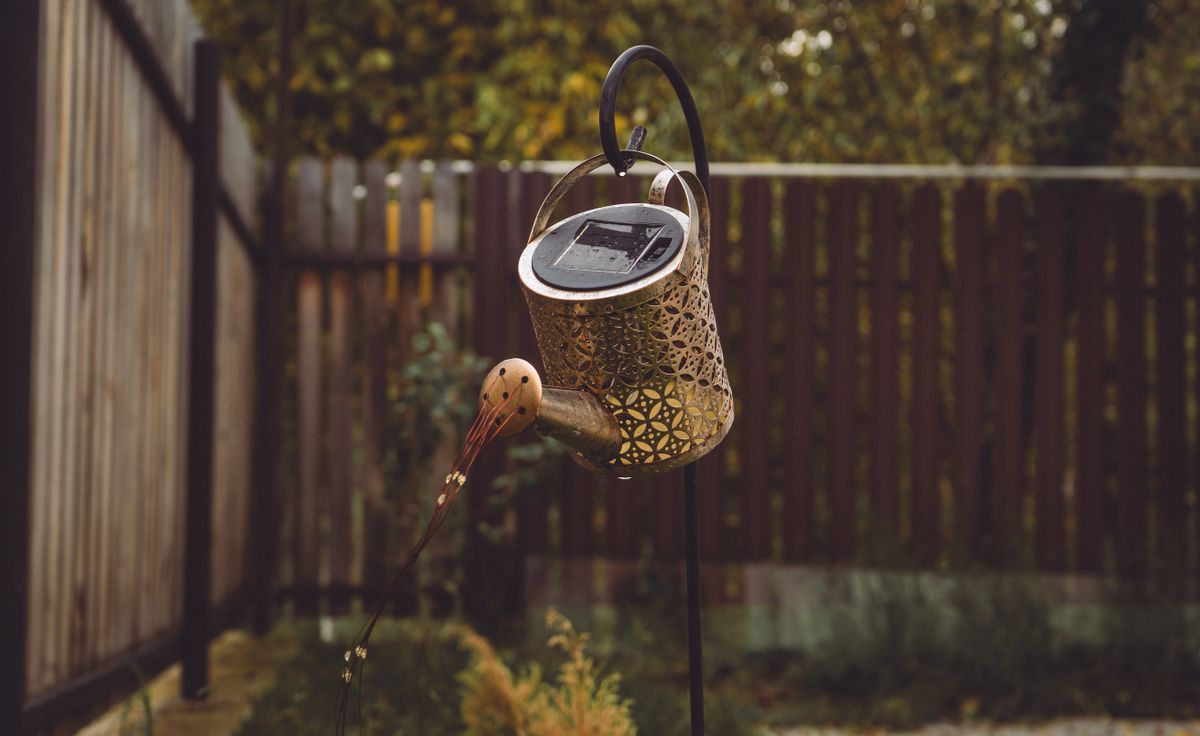
Photo by Gurgenidze G on Pexels
Before you commit to a full set of decorative stakes, you need to assess your specific environment. I always tell people to look at their lawn's drainage first; if water pools where you plan to place your lights, you need a stake with a higher IP rating. Skip this if your garden is entirely shaded 24/7, as no amount of high-end solar tech can overcome a total lack of photons. When shopping for waterproof solar pumpkin garden stakes, look for a clear mention of the weatherproofing standard. Here’s what I’d actually buy and the criteria I use to vet them:
- Check the stake material: Look for heavy-duty ABS plastic or metal rather than thin, brittle PVC.
- Verify the battery type: Ensure the unit uses a replaceable Ni-MH or Lithium-ion battery so you can extend the product life.
- Assess the light temperature: For autumn displays, a warm white (2700K-3000K) provides a more natural pumpkin glow than cool blue-white LEDs.
- Evaluate the height: Ensure the stake is tall enough to remain visible above your grass height or fallen leaves.
- Inspect the solar panel surface: A larger, laminated panel will generally outperform a small, epoxy-coated one over time.
Shop Solar Pumpkin Lume Light here