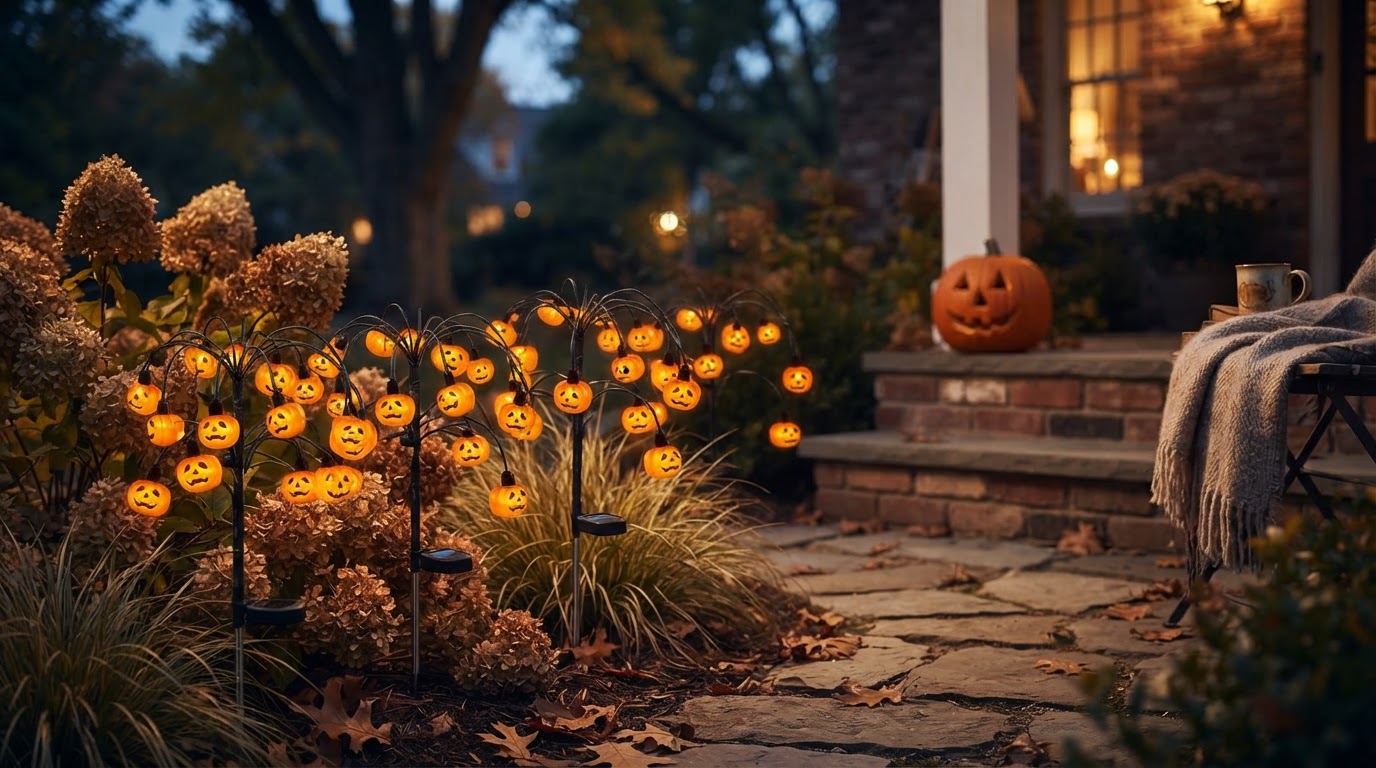
Solar Pumpkin Lume Light Performance in Seasonal Yard Displays
 Maya ChenContributing Editor
September 26, 2026. This technical assessment examines the operational viability of the Solar Pumpkin Lume Light within residential festive landscapes. It is intended for homeowners seeking to transition from corded electrical displays to autonomous, weather-resistant illumination systems.
The Efficiency Gap in Seasonal Outdoor Lighting
The conventional wisdom says that festive lighting is inherently wasteful, requiring either a tangle of extension cords or a constant supply of disposable batteries. However, the shift toward solar-powered alternatives has been marred by low-quality components that fail at the first sign of October frost. According to Balsam Hill, while solar lights are recognized as eco-friendly and cost-effective, their performance is strictly dictated by the quality of the internal photovoltaic cells and the durability of the housing. Many consumers prioritize aesthetic novelty over technical specifications, leading to a graveyard of non-functional plastic stakes by mid-November. The market is saturated with generic options, yet search trends like "amazon halloween solar lights" show a massive volume of users looking for reliable alternatives to the standard retail fare. The problem isn't the technology; it's the application. Most residential outdoor solar halloween decorations lack the necessary IP (Ingress Protection) ratings to survive autumnal rain cycles, resulting in internal corrosion. Furthermore, the light output often fails to meet the visibility requirements for large-scale solar halloween decorations outdoor setups, where ambient street lighting can easily wash out underpowered LEDs.
Engineering Resilience with Solar Pumpkin Lume Light
Here's the part nobody talks about: most decorative solar units are designed for summer sunshine, not the shorter, overcast days of October. The Solar Pumpkin Lume Light addresses this specific seasonal deficit by optimizing energy conversion for lower-intensity light environments. Unlike the light up pumpkin outdoor decor found in big-box stores, which often utilize thin-film solar panels, this unit is built to handle the rigors of a fluctuating climate. Run the math: a standard AA-battery-powered pumpkin requires approximately 12 to 15 battery changes over a 30-day display period if left on for six hours nightly. The Solar Pumpkin Lume Light eliminates this recurring cost and the associated chemical waste by utilizing a high-capacity internal reservoir that maintains a steady discharge rate. This is critical for maintaining a consistent glow in solar pumpkin lights throughout the evening. The waterproof housing is another departure from the industry norm; it is specifically engineered to prevent the moisture ingress that typically kills light up pumpkin outdoor decor within the first week of rain. The design focuses on thermal stability, ensuring that the LED drivers do not overheat during unusually warm autumn days or crack during sudden temperature drops at night. By focusing on these mechanical fundamentals rather than just the visual profile, the Lume Light provides a predictable uptime that budget-grade stakes cannot match.
Technical Criteria for Outdoor Solar Integration
When selecting hardware for a seasonal display, the aesthetic should be the final consideration, not the first. A reliable system must be evaluated on its ability to function without human intervention for at least 31 days in varied weather conditions. I'll change my mind when a cheaper, non-branded alternative can demonstrate the same level of moisture sealing and battery cycle longevity as the Lume Light. To ensure your display remains operational through the holiday, use the following framework:
- Verify the Ingress Protection (IP) rating to ensure the unit is rated for heavy rain and sleet.
- Assess the solar panel surface area relative to the expected hours of direct sunlight in your specific geographic zone.
- Confirm the presence of an automated dusk-to-dawn sensor to prevent unnecessary battery drain during daylight hours.
- Check the stability of the mounting hardware; solar pumpkin lights require rigid stakes to prevent wind-induced misalignment.
- Evaluate the color temperature of the LED to ensure it complements other outdoor solar halloween decorations in your existing collection.
Shop Solar Pumpkin Lume Light here