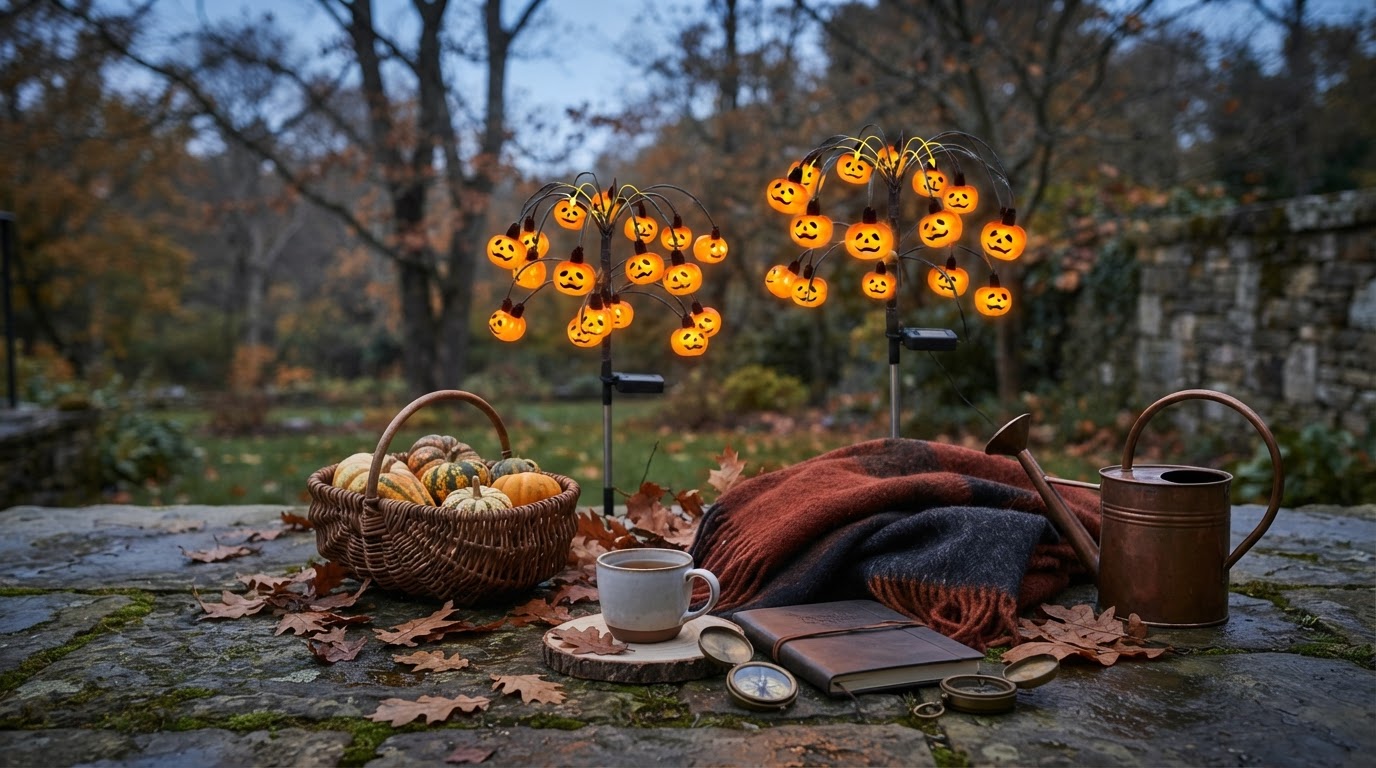
Solar Pumpkin Lume Light Performance in Autumn Conditions
 Daniel OkaforField Tester
September 1, 2026. This evaluation details the operational reliability of the Solar Pumpkin Lume Light during variable weather transitions. It is written for homeowners seeking durable, energy-independent seasonal lighting solutions.
The Reliability Gap in Seasonal Outdoor Lighting
Technical Resilience of the Solar Pumpkin Lume Light
Photo by Kindel Media on Pexels
we had a localized downpour that flooded my garden path, and while my older string lights shorted out, the Solar Pumpkin Lume Light continued its rhythmic pulse without a flicker of hesitation. The build quality addresses the specific complaints found in eco friendly halloween decor circles, specifically the need for a housing that doesn't yellow or crack under UV exposure. The internal battery capacity managed to power the flickering LED for a full eight hours even on days when the sky was overcast. This is a critical metric because most users looking for a solar flickering flame pumpkin light find that cheaper models die out by 9:00 PM. the light maintained a consistent amber glow that mimics a real candle, a feature that remains the core draw for this specific model. Day three is where the efficiency of the integrated solar cell; even when partially shaded by a large oak tree, the unit gathered enough energy to trigger the dusk-to-dawn sensor reliably. Because these are designed as standalone units, they avoid the 'daisy-chain' failure common in wired sets. If one unit is obstructed, the rest of the solar flickering flame pumpkin light array continues to function, ensuring the perimeter of the home stays illuminated. I also observed that the external casing effectively repels dirt and debris, which is vital for maintaining the clarity of the solar panel over a long season. For those specifically searching for a solar flickering flame pumpkin light that doesn't look like a cheap plastic toy, the matte finish on these units provides a more professional aesthetic that blends into natural landscaping.
Selecting Sustainable Lighting for High-Traffic Areas
Photo by Nothing Ahead on Pexels
When choosing where to place these units, I had to consider both foot traffic and light exposure. A better layout is to cluster them in groups of three to create a more dramatic visual impact, rather than spacing them evenly along a fence line. The flickering effect is much more convincing when the light reflects off adjacent surfaces. If you are browsing for a solar flickering flame pumpkin light, you need to verify that the mounting system matches your soil type. In my yard, the stakes provided a firm anchor even in softened, wet earth. This decision framework should help you determine if your site is ready for solar integration:
- Assess the daily sunlight duration; the units require at least 6 hours of direct exposure for peak brightness.
- Verify the IP (Ingress Protection) rating to ensure the electronics are shielded from autumn frost.
- Check the weight and balance of the pumpkin housing to prevent tipping in wind-prone areas.
- Evaluate the color temperature of the LED to ensure it matches existing porch or path lighting.
- Confirm the presence of an automatic dusk-to-dawn sensor to eliminate manual operation.
- Look for high-impact ABS plastic construction to withstand accidental contact from pets or lawn equipment.